
Chapter 3
Noah, the Tao and Zhou Enlai
previous chapter:
The Great Flood
next chapter:
Conversation of the Sages
Noah is a worldwide model of the righteous man, the servant of the people and of all life on earth, the leader who inspires people to unity.
It is useful to explore parallels between Noah and Lao Tse, author of Tao te Ching, a work born of the devout meditation by a curator of the Imperial Chinese archives, more than 2500 years ago.
The Lao Tse acts according to the inherent harmony of Heaven and helps create an ordered, responsive world.
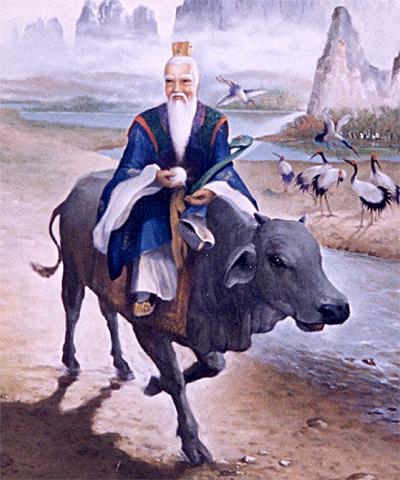
Noah acts humbly, preserves life, and restores harmony, and mirrors closely the ideal sage of the Tao — the one who acts without striving, who leads without dominance, and responds to Heaven with reverence and quiet clarity.
- Noah hears the call of Heaven, and builds the Ark, in selfless devotion to the truth and to his people; the root of his power is inward stillness.
Tao te Ching, Chapter 2:
“The sage acts without claiming credit for the results.
He achieves, yet does not dwell on success.
He does not boast; therefore his work endures.”
He listens. He builds. He shelters.
And when his work is done, he steps back.
- Noah preserves all life — human and animal.
His role is not conquest, but care.

Chapter 10:
“Can you care for the people and rule the land,
yet remain humble as a mother bird?”
The Ark is a floating womb of life — Noah holds, guides and protects. He responds to the unfolding of nature with stewardship.
- Noah and his people pass through the Flood without resistance.
He does not fight the waters — he floats upon them, held by what he has prepared in harmony.
Chapter 8:
“The highest good is like water.
Water benefits all things and does not compete.
It flows in places that others neglect.
Therefore, it is close to the Tao.”
The Flood is not punishment — it is cleansing. And Noah, like water itself, adapts and carries life through chaos.
- Noah releases the doves — and waits.
The act of releasing the doves is an expression of Tao — action without forcing, trust in natural return.
Chapter 64:

“Do not interfere with things before they begin.
A tree as big as a man’s embrace grows from a tiny shoot.
A journey of a thousand miles begins with a single step.”
Each dove is a small step — a gentle gesture.
Noah does not pre-determine the outcome. He observes, and through observation, he ultimately understands.
- Noah restores the promise of Heaven.
After the flood, he offers thanksgiving, and Heaven responds with a rainbow — a sign of harmony restored.
 Chapter 37:
“The Tao never strives, yet nothing is left undone.
If rulers align with it,
the people will transform themselves.”
Noah is not king, priest, or warrior. He is aligned — and through that alignment, a new world begins.
Conclusion:
Noah, like the sage of the Tao, lives in service to life, in rhythm with Heaven, and without ego. He does not seek to be great — and thereby becomes a vessel for greatness.
Like the Tao itself, Noah is silent, unseen, and enduring.
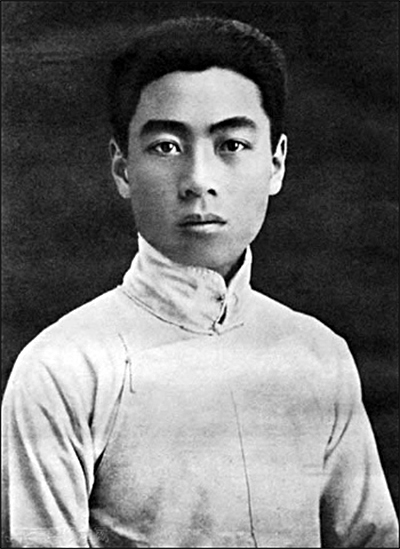
Zhou Enlai and the Living Tao:
A Modern Sage in Action
Premier Zhou Enlai, who studied the Tao as a young man and in many ways carries the legacy of Lao Tse into the 20th Century — is a modern embodiment of the Tao, in tireless, compassionate lefelong action across every domain of national life.
His humility, clarity, and moral center made him simultaneously a statesman and a sage.
Let’s revisit each of the Tao te Ching passages we previously aligned with Noah — now reflected through the life and legacy of Premier Zhou — a man who walked the Way in the complexity of the modern world, yet stayed rooted in the deepest wisdom of the ancients.
1. “The Tao always acts without striving, yet nothing is left undone.”
(道常无为而无不为 — Chapter 37)
Zhou Enlai served quietly, never seeking glory, yet his impact was immense — from his early revolutionary work to his final days of diplomacy.
🔹 He never imposed ideology on others through force, but rather coordinated, bridged, and listened, letting each piece of China’s transformation unfold organically — through persuasion, timing, and collective understanding.
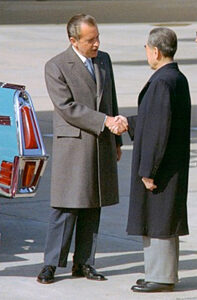
🔹 His 1972 meeting with Nixon at the Beijing International Airport reopened China to the world, by embodying the principle: “Let things transform themselves.”
2. “Can you love the people and govern the land, yet remain free of control?”
(爱民治国,能无为乎 — Chapter 10)
Zhou’s love for the people was not limited by antiquated control structures — he trusted the strength of ordinary people and supported their growth, often spending time with workers, farmers, and students.
🔹 He guided the people through famine, war, and industrialization, always centering their dignity and voice.
🔹 He said: “We serve the people wholeheartedly. We must always be their students.”
This is the Tao of leadership — serving by stepping back.
💧 3. “The highest good is like water. It benefits all things and does not compete.”
(上善若水。水善利万物而不争 — Chapter 8)
Zhou was like water: adaptable, sustaining, and essential. He could engage the Chinese establishment as well as the Western powers; he engaged scientists and villagers, revolutionaries and presidents, without losing clarity or becoming attached to a personal position.
Together with many others, he sustained China through the most turbulent periods in modern Chinese history — the Long March, the Anti-Japanese War, the Cultural Revolution — and yet always emerged as a balancer, never taking sides in anger, always soothing, negotiating.
Finding the way of peace.
Even his clothing — simple, enduring, cotton and linen, hand-washed and often repaired by his own hand — reflected radical humility of the Tao.
4. “A journey of a thousand miles begins beneath your feet.”
(千里之行,始于足下 — Chapter 64)
Zhou believed in the power of steady, grounded steps, not in slogans or sudden gestures.
He was meticulous in planning, drafting peace proposals word by word, studying every technical field he was responsible for, and visiting every province across China, one step at a time, one village at a time, one pot of vegetables at a time.
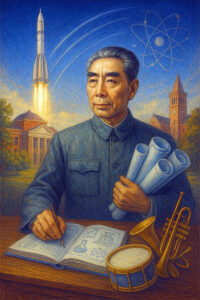
🔹 His work on industrial modernization and the use of advanced technology to serve the people began in the 1950s — but he never rushed. He said, “First investigate, then understand, then act.”
That is Tao in motion: step by step, breath by breath.
5. “He accomplishes the work, yet does not dwell on success. Because he lets go, his legacy endures.”
(功成而不处也。夫唯弗处,故弗去 — Chapter 2)
Zhou Enlai left behind no personal wealth, no dynasty, no self-glorification — yet his legacy lives in the hearts of the Chinese people, with an affection and reverence rarely given to political leaders.
🔹 When asked what memorial he wanted, he reportedly said: “Scatter my ashes over the rivers and hills of the nation.” And in fact, his wife and family did so.
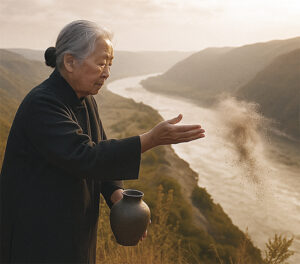
🔹 His modesty, even in death, was complete.
Like the sage of the Tao, he accomplished all, and claimed nothing.
On his passing on January 8, 1976, this humble man of the people was honored by a crowd of hundreds of thousands who surged toward Tienanmen Square in central Beijing, lining the boulevards for miles, with people singing, carrying his worlds and crying.
The next day, the United Nations in New York ordered all of its nations’ flags to be lowered to half-staff in honor of Zhou Enlai — an honor never before accorded to any diplomat. The flags remained lowered for a full week.
For more on this unique historic event —
Zhou Enlai, Practical Sage of the Tao
He was more than a statesman.
He was the bridge — between ancient and modern, East and West, ideal and reality.
He lived with the fluid clarity of the Tao, proving that in even the complex world of diplomacy, revolution, and rebuilding, the deepest truths still apply:
- Do not dominate — influence.
- Do not boast — serve.
- Do not rush — act in time.
- Do not grasp — endure.
 .
.
Leave a Reply